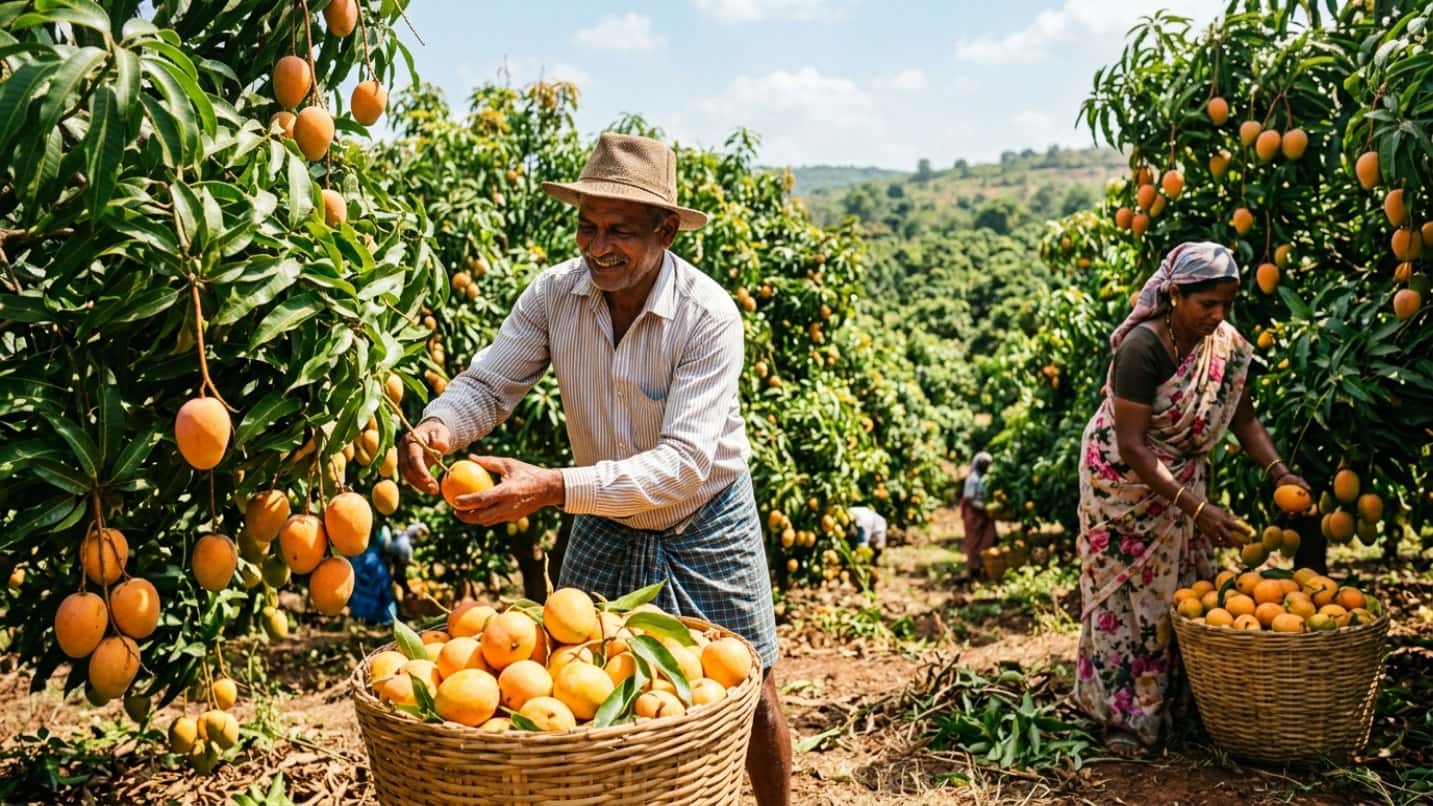
Every summer in India, the same ritual repeats itself.
People argue about where to find “real” mangoes. Someone swears by Ratnagiri Alphonsos. Someone else says everything in the market is chemically ripened. WhatsApp groups quietly turn into mango recommendation threads. Families spend thousands ordering premium boxes online, hoping they taste like the mangoes they remember growing up.
Now imagine skipping that entire process. Instead of buying mangoes, you lease an actual mango tree for a season. You receive updates from the farm, watch the fruit grow, and eventually get the harvest delivered to your home.
That is the idea behind Rent A Tree, an Indian startup building a business around seasonal tree leasing. At first, it sounds unusual. But look closer, and it starts to say more about consumers than the product itself. Because this isn’t really about mangoes.
It’s about trust, nostalgia, traceability, and the appeal of being closer to where your food comes from.
What exactly is Rent A Tree?
The model sits somewhere between farming, subscription commerce, and premium food delivery.
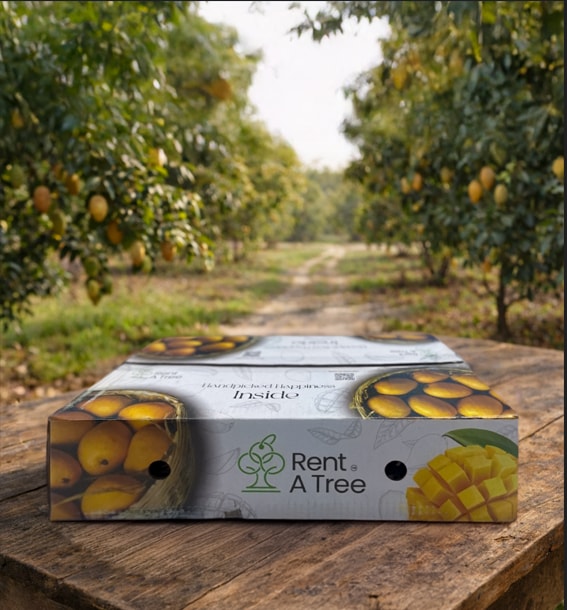
Customers lease a mango tree for a single fruiting season. The farm takes care of everything: cultivation, maintenance, harvesting, and delivery. Once the mangoes are ready, they are shipped directly to the customer.
Depending on the plan, customers may also receive:
- photos or videos of their tree
- periodic updates during the growing season
- a guaranteed minimum yield
Plans reportedly start at around ₹10,300 and go upwards of ₹14,000, with expected yields ranging roughly between 30 kg to 90 kg per tree depending on the package.
The season typically runs from around November through June, aligning with the natural mango cycle. The company frames this as experiencing the benefits of owning a mango tree without dealing with land, labor, or maintenance.
That framing is important. This isn’t meant to replace how you normally buy fruit. It’s positioned as something more deliberate and seasonal.
Where the idea came from
The startup was founded by Umesh Damodaran, who previously worked in engineering and ran an edtech venture.
The idea reportedly came from a simple observation. After bringing Alphonso mangoes from his hometown, people around him were less interested in buying a box and more interested in the idea of getting mangoes from an entire tree.
That shift in interest, from buying fruit to wanting a source, is what eventually shaped the concept. It’s a small detail, but it explains a lot about why the idea resonates.
How the model works behind the scenes
Rent A Tree doesn’t rely on a single orchard. Instead, it operates by leasing farmland and working with local farmers and labor. This setup allows the company to:
- manage cultivation standards
- allocate specific trees to customers
- reduce dependency on wholesale markets
- maintain more control over the end-to-end experience
Instead of selling mangoes in bulk through traditional supply chains, the output of each tree is effectively pre-assigned.
That changes the economics in subtle but important ways. There’s more predictability for the farm, fewer intermediaries in the process, and more room to position the product as a premium, experience-led offering rather than a commodity.
Why this idea feels unusual at first
Most startup ideas sound slightly odd when you strip them down to one line.
People rent clothes. They subscribe to groceries. They pay monthly for software instead of buying it outright. Some spend money on things that only exist online.
Against that backdrop, renting a mango tree doesn’t feel completely out of place. It fits into a broader shift where access, personalization, and experience are starting to matter more than ownership. That shift is already visible across categories. This just happens to be a more tangible, very Indian version of it.
What’s driving the interest
The attention around this idea isn’t random. It connects with a few things that have been building for a while.
Distrust in food quality
Urban consumers have become more skeptical about what they’re eating. Conversations around chemical ripening, pesticide use, and inconsistent quality are now common, especially during mango season.
Mangoes are a category where expectations are already high. People are willing to pay more, but they want that premium to mean something. A model like this offers a clearer sense of where the fruit is coming from. That alone changes how people perceive it.
Food as experience, not just purchase
There’s a noticeable shift in how people talk about food.
Buying mangoes is a transaction. Getting mangoes from a tree you’ve leased is a story.
The difference is subtle, but it matters. It’s the same reason people care about where their coffee beans come from or which farm their vegetables are sourced from. The product hasn’t changed much. The context around it has.
The pull of something more “real”
There’s also an emotional layer that’s harder to quantify.
A lot of people feel disconnected from how food is grown. Even those who never lived around farms tend to have some version of that idea in their heads, tied to family memories or just a sense of simplicity.
This model doesn’t fully recreate that experience, but it offers a small, manageable version of it. And for many people, that’s enough.
How the model works as a business
On the surface, it’s a simple idea. But the structure solves a few real problems in traditional fruit selling.
Selling fruit at scale is messy. Margins are thin, there are multiple layers of intermediaries, prices fluctuate, and spoilage is always a risk.
Leasing changes that equation. Instead of selling mangoes piece by piece, the seasonal output of a tree is effectively pre-booked. That creates more predictability for the farm and reduces reliance on wholesale markets.
The direct-to-consumer angle also allows better control over pricing and positioning. This isn’t competing with roadside fruit sellers. It’s positioned as a premium, experience-led product.
And importantly, the idea carries its own marketing. People don’t talk about buying fruit. They do talk about renting a tree.
Where it works, and where it doesn’t
The model makes sense for a specific kind of customer, but not for everyone.
Where it works
- clearer sourcing and traceability
- preference for naturally ripened fruit
- interest in the experience, not just the product
- appeal for families looking for something more engaging than a standard purchase
Where it doesn’t
- price sensitivity
- expectation of consistent, guaranteed yield
- people who just want convenience at the lowest cost
It’s not trying to replace the fruit market. It sits on top of it, targeting a different kind of buyer.
Why people keep talking about it
Part of the attention comes from how the idea is framed.
It sounds slightly absurd when you first hear it. Then it starts to make sense. That gap is what drives conversation. People react differently:
- some see it as clever
- some see it as unnecessary
- some are just curious enough to look into it
That mix is what keeps it circulating.
Who is this actually for?
This model isn’t for everyone, and it doesn’t try to be. It works best for a specific type of buyer. Someone who:
- cares about where their food comes from
- is willing to pay a premium for better sourcing
- values the experience as much as the product
For this group, the idea feels interesting. For everyone else, it’s easier to just buy mangoes the usual way.
At its core, this is about trust
If there’s one thread running through the entire model, it’s trust. People are trying to feel more certain about what they’re consuming.
Different businesses approach this in different ways. Some focus on certifications, others on storytelling, others on direct sourcing.
This approach makes it more concrete. Instead of a vague origin, there’s a specific tree tied to the product. That doesn’t change everything, but it changes enough.
A broader shift in how people consume
This idea doesn’t exist in isolation. Across categories, people are leaning towards things that feel:
- more personal
- more transparent
- more intentional
Subscriptions, curated products, farm sourcing, specialty foods. They all point in a similar direction.
In cities where convenience is already solved, differentiation often comes from meaning, not just utility. That’s where a model like this starts to make sense.
Why it feels rooted in India
A lot of startup ideas in India are adapted from elsewhere. This one feels more local.
Mangoes already carry weight. They’re tied to summer, family habits, regional identity, and even gifting. That emotional base already exists.
The idea doesn’t create a new desire. It builds on something people already care about and reshapes how they engage with it.
That’s usually a stronger starting point than trying to introduce something completely new.

What this says about changing consumer behavior
The interesting part isn’t that people can lease a mango tree.
Food is no longer just about availability or price. It’s increasingly tied to how it’s sourced, how it’s experienced, and how it fits into someone’s lifestyle.
You can see this in small ways everywhere, from how people talk about ingredients to how they share meals online. This model sits right in the middle of that shift.
Closing note
A few years ago, leasing a mango tree online would have sounded far-fetched.
Today, it feels unusual, but not impossible. That shift alone is worth paying attention to. Not because everyone will start renting trees, but because it shows how quickly expectations around something as simple as buying fruit can evolve.
Source: Rent A Tree